How to Design a Kitchen That Grows With Your Family
Families grow and change, and your kitchen should grow with them.
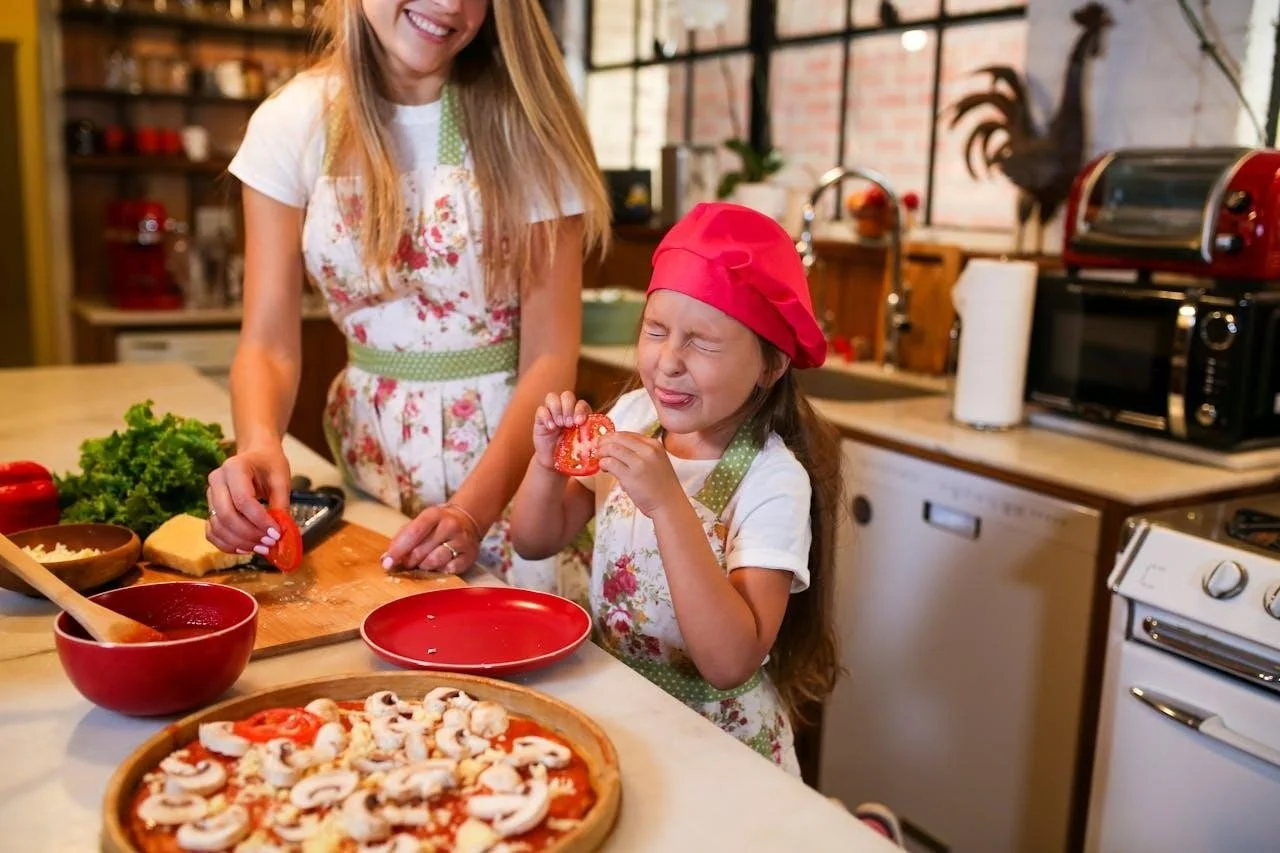
. Planning for the future means creating a space that adapts over time. Learning how to design a kitchen that supports evolving needs saves money and avoids major remodels later. It’s about combining practicality, comfort, and flexibility while keeping family life in mind. With thoughtful choices in layout, storage, and safety, your kitchen can remain functional from toddlers to teenagers and beyond.
Think Long-Term Before You Pick the Layout
Every family uses the kitchen differently, so start with a plan that fits your lifestyle. Whether you’re remodeling or preparing for a move, think about how your daily routines shape the space. Young families may want an open layout for supervision. Families with elderly members may also want open layouts for easy access to the kitchen, dining and living spaces. Some households may prefer defined zones for cooking and work/study. Visualize how your kitchen will serve you five, ten or more years from now.
Traffic flow matters. Keep pathways clear between major work areas, such as the sink, stove, and refrigerator. If space allows, include an island that doubles as a prep and homework area. Leave room for flexible seating so you can adapt to larger gatherings or changing family needs. A kitchen designer will know the acceptable distance between an island and perimeter spaces.
Before packing up your kitchen, it helps to prepare it for the move by labeling boxes for daily, occasional, and long-term use. This is a good exercise to see how much storage space you need for each item. This habit carries over into how you’ll manage your new space—organized storage and optimal functional zones will always save time and stress once you’re settled.
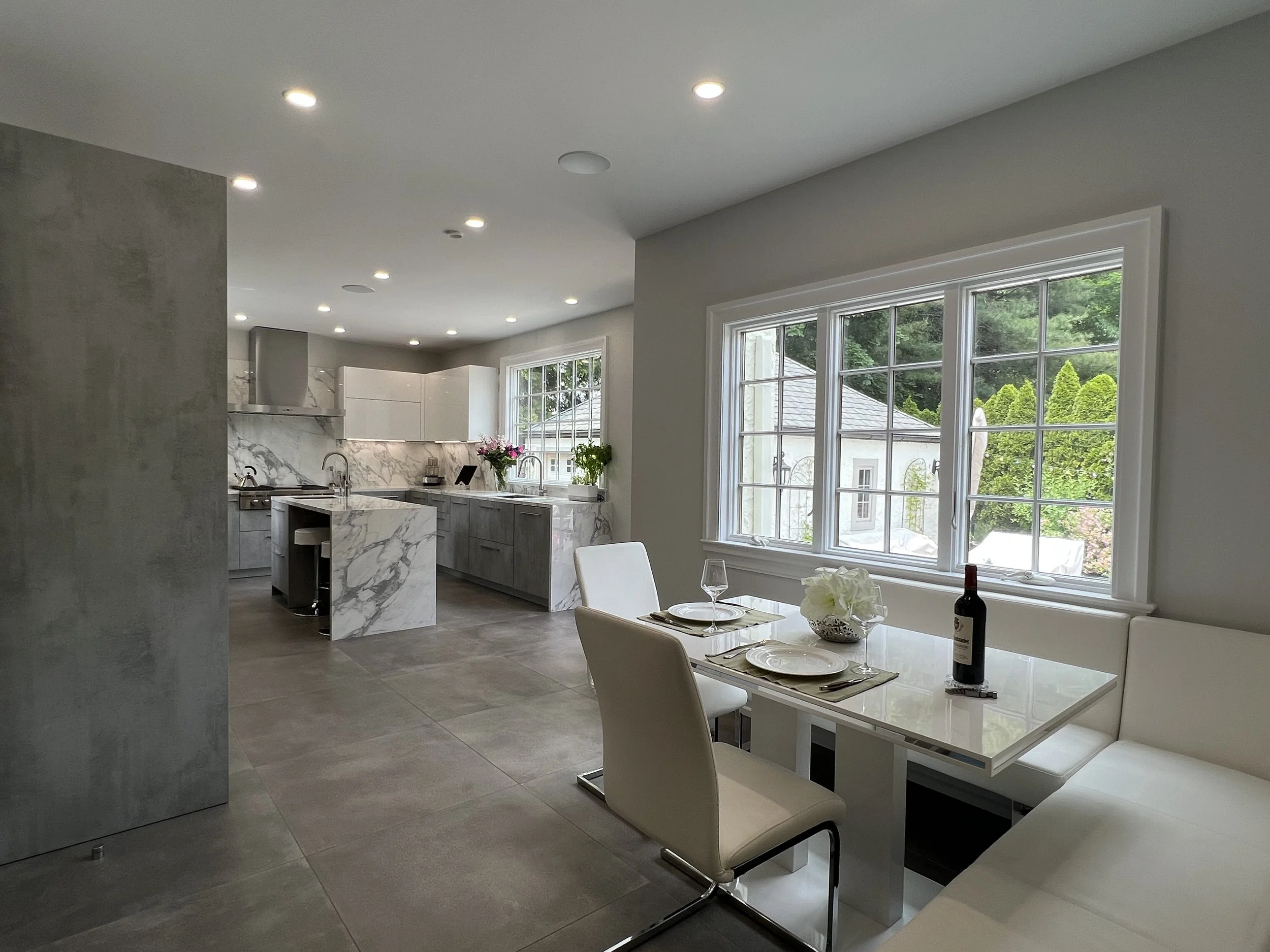
Open Concept Modern Kitchen. Bench Seating. Room for preparing meals, dining and homework!
Storage That Expands as Your Family Does
A growing family often means more food, gadgets, and cooking tools. Building adaptable storage ensures everything has a place without cluttering counters. Adjustable shelving, tall pantries with roll-outs, and pull-out drawers create flexible storage that can expand with your needs.
Children’s snacks and lunch items should be easy to reach, while sharp utensils and cleaning products must stay more secure with small children in the home. Plan on deep drawers for pots and pans and slim pull-outs for spices or baking sheets. Cabinets that are not close to your work area plus high reaching upper cabinets are well suited for seasonal and less used items, such as baking pans and small appliances.
Hidden storage is another useful feature. Benches with compartments, under-counter drawers, island cabinets and sliding pantry systems help maintain order. Every inch counts, so think vertically—tall cabinets use ceiling space efficiently while keeping your kitchen open and accessible.
Smart Material Choices for Durability and Easy Cleaning
Families need materials that last through constant activity. Choose surfaces that resist scratches, stains, and heat. Quartz and granite countertops offer both strength and low maintenance, while laminate provides an affordable alternative with many finishes.
For flooring, select wood, non-slip tiles or durable vinyl to handle spills and heavy foot traffic. Wall paint should be washable so it stays clean even after messy cooking sessions or children’s art projects.
Consistency across finishes helps your kitchen look cohesive. Stick with two or three tones to avoid visual clutter. Functional design should always come before aesthetics, ensuring every choice adds value and simplifies cleaning.
In addition, consider materials that adapt to daily wear without frequent repairs. Stainless steel appliances look sleek and fit well with any design style. Backsplashes made from ceramic or glass tiles clean easily with a quick wipe, keeping cooking areas fresh. You can even look at a bamboo backsplash for a different feel. Matching the backsplash to the countertop avoids grout and makes it even easier to clean!
Quartz is the top material used today for countertops due to its ease of cleaning and durability. If you want warmth, durable wood alternatives such as bamboo or sealed butcher block bring comfort while staying practical. Bear in mind, wood scratches much easier than stone. Rounded countertop edges also reduce the chance of accidents for young kids.
Choosing quality now prevents costly replacements later and keeps your kitchen efficient and beautiful for years.
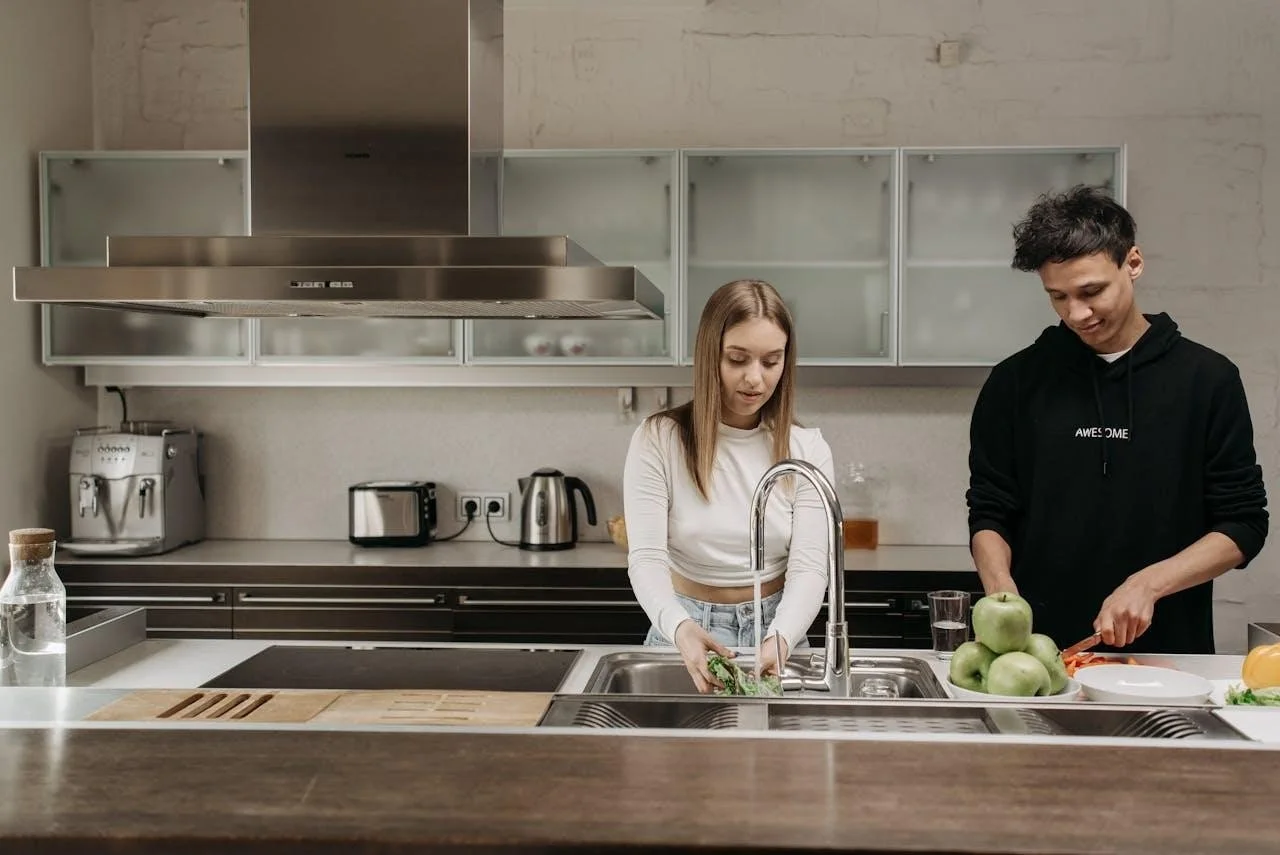
Safety and Functionality Come First When You Design a Kitchen
Safety is essential in family environments. Every detail, from drawer locks to corner guards, protects both children and adults. Install anti-slip mats near the sink and stove where spills are frequent. Use soft-close drawers to avoid pinched fingers.
Lighting impacts safety, too. Combine ceiling lights with task lighting under cabinets for clear visibility while cooking or cleaning. Motion-sensor lights help at night without disrupting sleep schedules. Keep outlets covered and cords away from reach zones to prevent accidents.
Appliance placement matters as well. Wall ovens at mid-height prevent bending or lifting heavy trays. Consider refrigerator drawers for children’s snacks and water bottles. Organized work zones reduce crowding, allowing everyone to use the kitchen comfortably at the same time.
Adapting to Change: From Toddlers to Teens
Families evolve fast, so flexibility keeps your kitchen functional. Adjustable bar stools, extendable tables, and movable islands let you adapt to each life stage without redesigning the whole space. Teens may use the kitchen for study sessions or quick breakfasts, while adults may need space for meal prep or hosting.
Technology can also help. Outlets with USB ports make charging devices convenient. A small nook for laptops or schoolwork encourages multitasking while staying near family activity. Adjustable lighting can shift from bright cooking conditions to softer tones for evening meals.
As you design a kitchen, include multi-purpose features that grow with your routines. Open shelving, for example, allows easy access to daily items now and later can display decor or appliances. Future upgrades should be easy to add without requiring full remodeling.
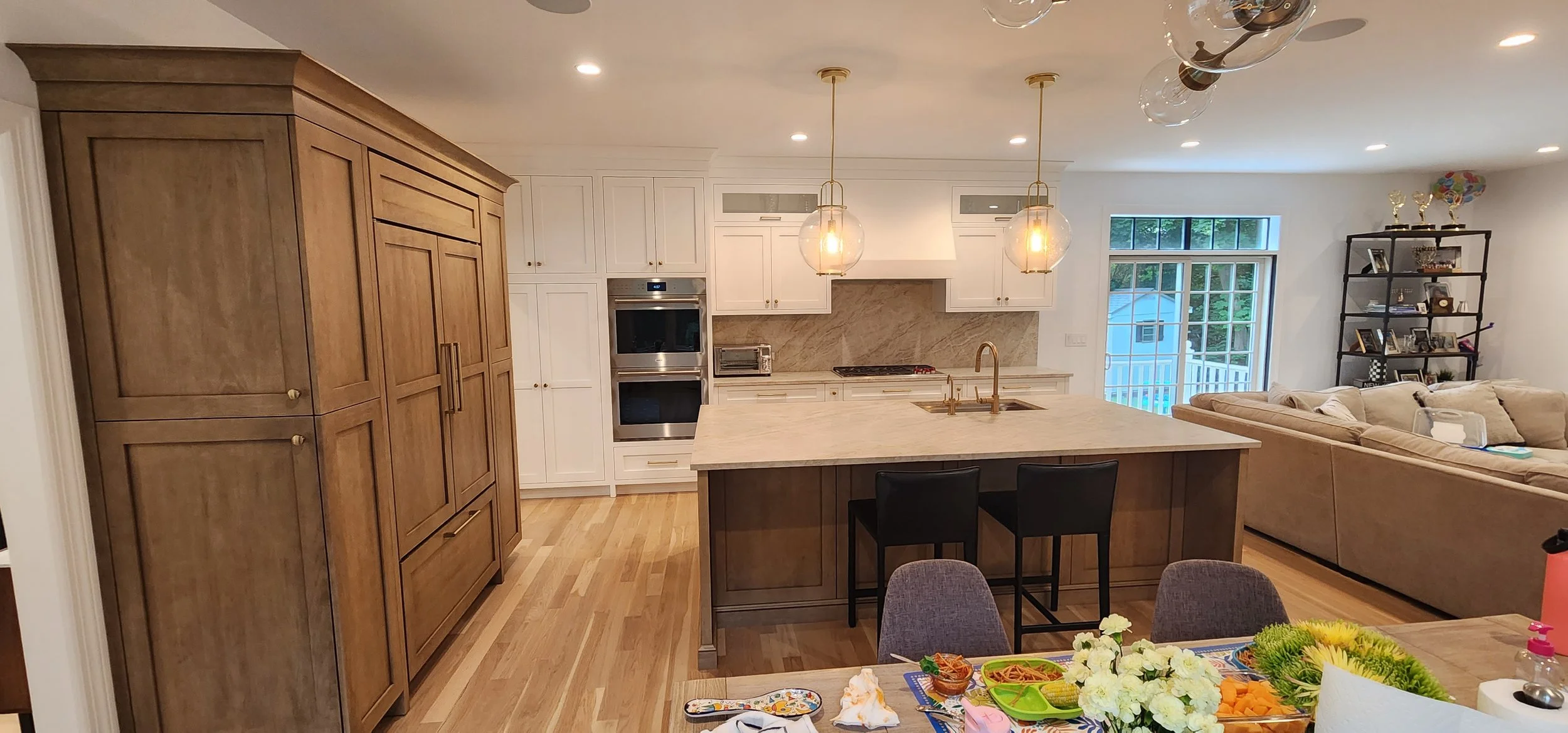
Open Floor Plan for Family Togetherness
Add Technology and Sustainability for Future Comfort
Modern kitchens can evolve with technology while staying energy-efficient. Choose appliances with energy-saving settings, which lower utility bills and environmental impact. Induction cooktops, smart ovens, and motion-activated faucets combine convenience with sustainability.
Recycling stations are practical for eco-conscious families. Divide bins for paper, plastic, and compost to make daily cleanup simple. Recycled glass or bamboo materials for countertops also contribute to a greener home.
Smart storage systems—such as touch-open cabinets or automatic lighting inside drawers—add comfort and efficiency. Plan for future integration of smart devices so your kitchen remains up to date without major reconstruction later.
Older Family Members
If there is a possibility that either you will age in place or you will have elderly family members enjoy your kitchen, there are a few items you should consider in your redesign. We will go in depth about aging in place in a future blog. But if you are planning a full renovation now, a couple things to consider in the construction are wider aisles and doors to accommodate wheel chairs or walkers. Placement and type of appliances is also important
Build for Today and Tomorrow
Remodeling with a flexible kitchen design that adapts over time is one of the best decisions for a growing family. A flexible plan saves you from costly renovations and keeps your space efficient. Focusing on storage, layout, and safe, and easy to clean materials ensures your kitchen supports every stage of life. Durable choices and long-term planning let you focus on family time instead of constant maintenance. Whether you’re preparing baby food or hosting teenagers, the same kitchen can evolve with you. Thoughtful design transforms your space into the heart of your home—one that grows, adjusts, and thrives along with your family.