Red Flags That It Is Time to Renovate
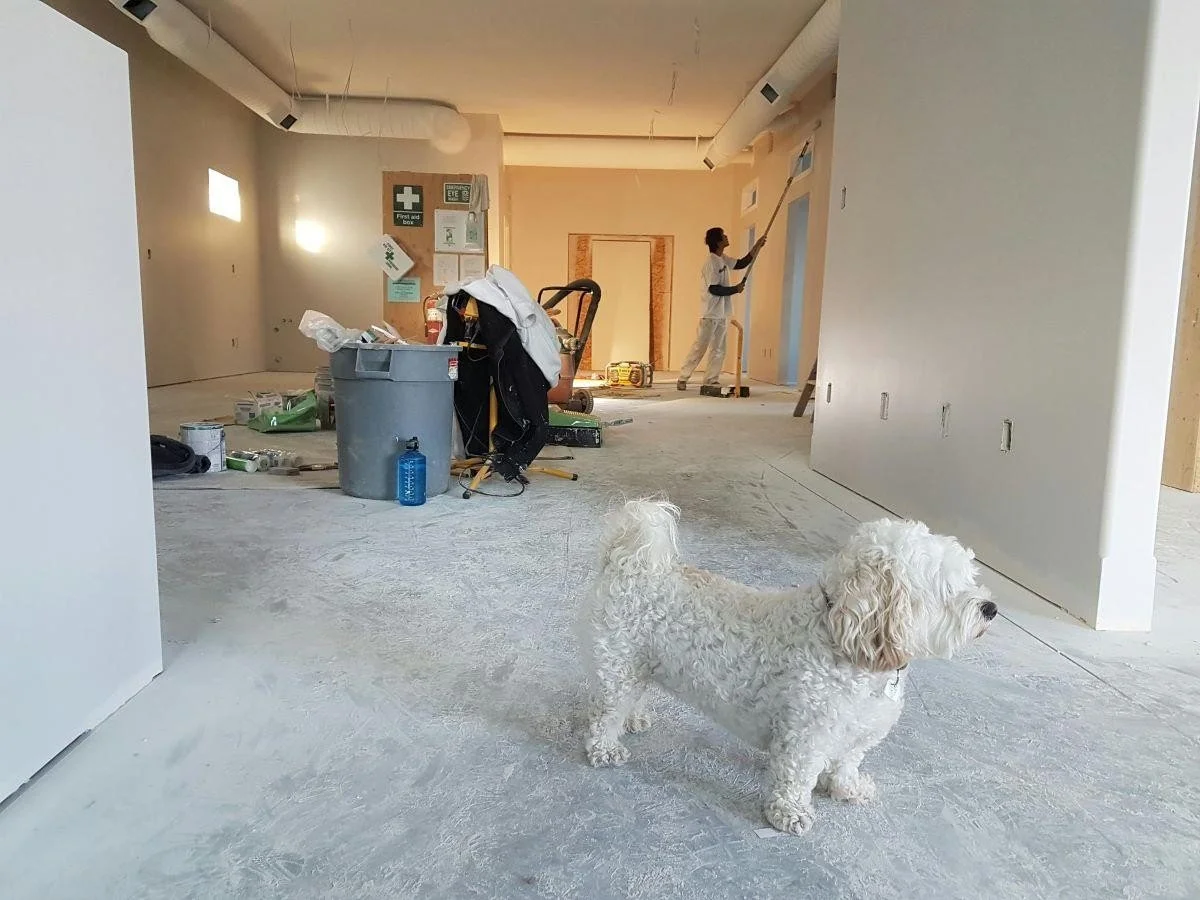
What red flags do you see in your home that it is tme to renovate?
A home often shows warning signs long before serious failure appears. Many owners overlook them due to routine familiarity. Comfort slowly declines, yet daily habits adjust without notice. This pattern delays action until damage becomes disruptive. Knowing when it is time to renovate prevents rushed decisions later. Early awareness supports planning, budgeting, and smarter upgrades. Renovation works best as a proactive choice rather than an emergency response. Small changes often reveal larger concerns. Sounds, smells, and surface damage rarely exist alone. By paying attention early, homeowners protect safety and long-term value.
Structural Warning Signs You Should Never Ignore
Cracks in walls deserve careful attention. Thin cracks may appear harmless at first. However, expanding lines often point to movement below the surface.
● Ceiling cracks that change shape suggest stress. Horizontal cracks raise stronger concerns than vertical ones. Over time, these patterns reveal shifting loads or weakened supports.
● Doors that stick or swing open signal uneven settling. Floors that slope create balance issues. These signs often appear gradually, making them easy to dismiss.
● Water intrusion worsens structural damage quickly. Stains near beams indicate moisture reaching critical areas. Wood softens, and metal corrodes under prolonged exposure.
Ignoring these warnings increases repair scope. Structural fixes become invasive and costly. Early professional renovation can add value and restore confidence in the home’s stability.
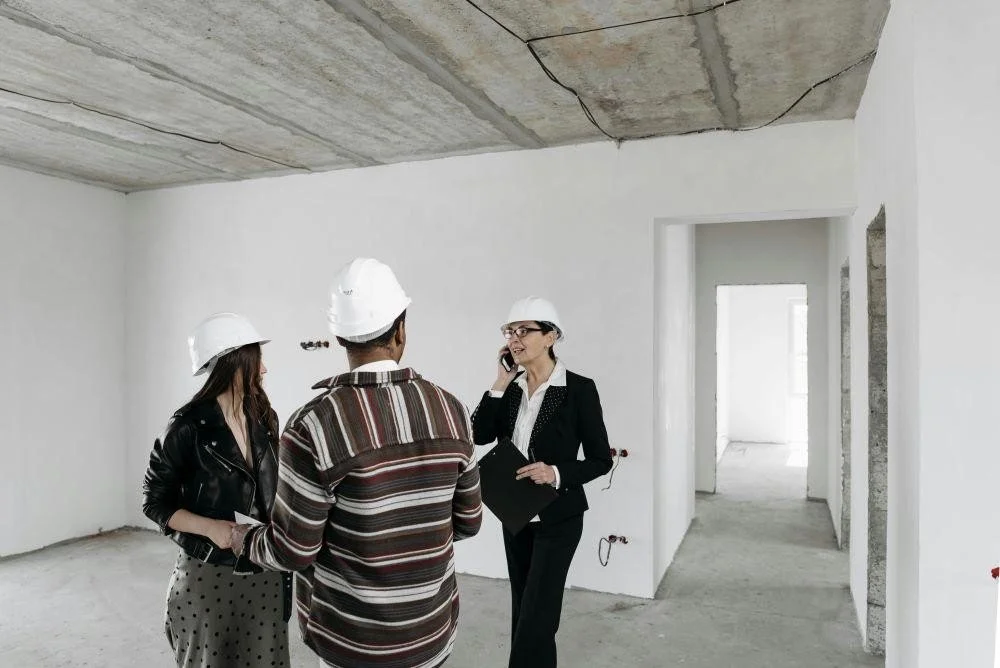
Understanding when it is time to renovate protects safety, comfort, and value
When Outdated Layouts Start Working Against You
Homes built decades ago reflect older lifestyles. Separate rooms once suited formal routines. Today, those layouts often restrict movement and interaction and are hardly in line with the current home improvement trends. Closed kitchens isolate daily activity. Narrow corridors reduce efficiency.
Simple tasks feel harder than necessary within these spaces. As needs change, layouts feel limiting. Families seek flexibility and shared areas. Work-from-home routines demand separation and quiet zones. Poor layouts also affect storage. Lack of space creates clutter and stress. Daily organization becomes a constant challenge.
Professional design and renovation improves flow and purpose. Spaces begin supporting real habits again. Comfort increases without expanding the home’s footprint.
Physical Wear That Appears During Furniture Moves and Daily Use
Frequent furniture movement often leaves subtle clues. Scratches near corners and scuffed baseboards show repeated impact. Walls near doorways usually suffer first. These marks suggest surfaces no longer resist pressure well. Heavy items stress drywall and framing. Small dents may seem cosmetic, yet repeated force weakens wall integrity. Paint chips expose drywall to moisture and crumbling. Over time, damage spreads wider than expected.
Many homeowners wonder how to avoid wall damage while moving large furniture during rearrangement or relocation. The question matters because prevention costs far less than repair. Proper spacing, padding, and planning reduce impact. Corners face the most risk during moves. Protecting them helps protect every corner of your space effectively. Corner guards and temporary wall covers offer practical protection. These tools prevent dents and cracks before they form.
Poor lighting increases collision risk. Tight turns amplify pressure on walls. As things stand, repeated contact signals surface losing resilience. Renovation strengthens finishes and improves durability. Upgraded wall materials resist impact better. Stronger finishes reduce visible wear. By comparison, aging drywall shows damage quickly. Renovation restores strength while improving appearance.
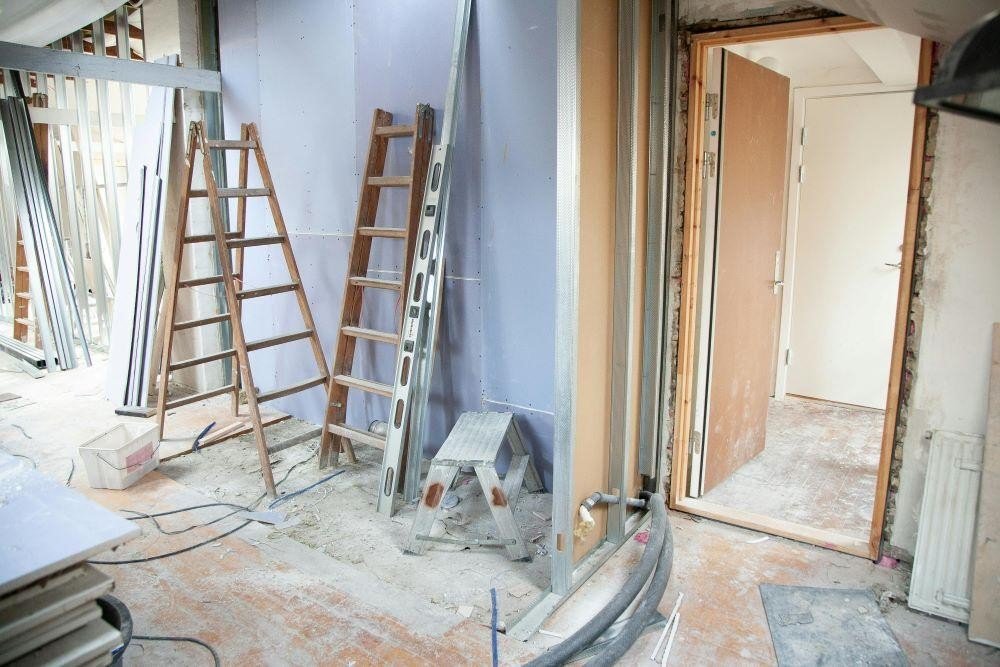
Homes built decades ago reflect older lifestyles
Energy costs often reveal unseen problems. Sudden increases rarely happen without cause. Drafts and uneven temperatures suggest air leakage.
Old windows lose insulation strength. Frames warp and seals fail. Heating and cooling systems then work harder. Insulation gaps allow heat transfer. Attics and crawl spaces often cause losses. Energy escapes quietly yet consistently. Aging HVAC systems struggle with demand. Performance drops while usage rises. Monthly bills reflect this imbalance clearly.
Renovation addresses these inefficiencies directly with smart designs, like smart glass. Sealing, insulation, and upgrades reduce waste. Comfort improves while expenses stabilize across seasons.
Health and Safety Issues That Demand Immediate Action
Indoor health depends on clean air and safe materials. Moisture problems threaten both. Mold thrives in damp, hidden spaces. Breathing issues often follow prolonged exposure. Odors linger even after cleaning. These signs indicate deeper moisture sources.
Ventilation problems trap pollutants. Dust, pet dander, and fumes remain indoors. The air feels heavy and stale. Electrical systems age quietly. Old wiring lacks the capacity for modern needs. Overloaded circuits increase fire risk. Safety hazards extend beyond wiring. Loose stairs and worn floors cause injuries. Renovation restores safety and protects daily living conditions.
Clear Signs It Is Time to Renovate for Property Value
Market response offers valuable insight. Buyer feedback highlights visible weaknesses. Outdated finishes reduce interest quickly. Homes with modern updates attract stronger offers. Buyers expect efficiency and style. Appraisals reflect condition with little flexibility. Deferred upgrades lower perceived care. This perception affects pricing. Even solid structures lose appeal without updates.
Recognizing when it is time to renovate protects equity. Strategic improvements raise competitiveness. Value-focused renovation supports long-term financial goals, so some opt for professional design services, guessing correctly that the investment will be worth it in the long run. Targeted upgrades deliver measurable returns.
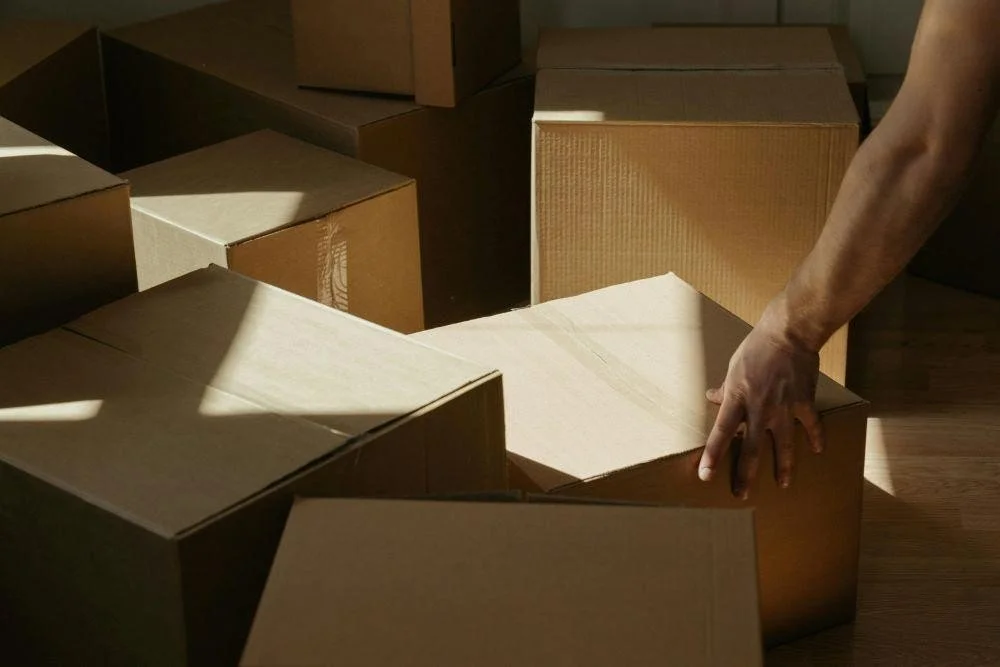
Storing boxes to prepare for renovations is always a good idea
Maintenance Costs Are Replacing Predictable Upkeep
Routine maintenance feels manageable. Constant repairs do not. Frequent breakdowns signal systems nearing end-of-life. Plumbing leaks reappear despite fixes. Pipes corrode from within. Water damage spreads quietly behind walls. Roof patches multiply over time. Each repair offers shorter relief. Weather exposure accelerates deterioration. System replacements restore reliability. Homeowners regain predictability and peace of mind.
Appliance failures cluster together. Replacement parts become harder to find. Costs rise with each service call. Renovation consolidates these issues.
Lifestyle Changes That Make Renovation Necessary
Life stages change household needs. Growing families require more space. Privacy and storage become essential. Remote work reshapes priorities. Quiet rooms support focus and productivity. Shared spaces must adapt accordingly.
Aging introduces mobility concerns. Stairs and narrow entries limit access. Minor changes improve independence significantly. Renovation supports adaptability. Homes should evolve with their occupants. This flexibility extends usability for many years.
Thoughtful updates prevent future disruption. Planning ahead reduces stress later on. Homes remain supportive through changing circumstances.
Summary
Homes needing renovations communicate through wear, discomfort, and rising costs. Ignoring these messages increases risk. Awareness allows steady planning and better outcomes. Understanding when it is time to renovate protects safety, comfort, and value. Early action reduces long-term expense, emergencies and disruption. Renovation strengthens both structure and lifestyle support. Paying attention today preserves confidence in your home tomorrow.