What People Look for in a New Home Before Choosing to Move
What are the most critical atributes to research when looking for a new home?

Colonial Hom in Great Neck, NY
Choosing a new home is a major life decision that affects comfort, finances, and daily routines. Many buyers begin their journey with both excitement and careful planning. While dreams of a perfect space can create the motivation to move, practical questions quickly follow. People compare locations, layouts, prices and cost of living expenses before making any commitment. Personal needs, family size, and future goals influence every choice. Because of this balance between emotion and logic, understanding what people look for in a new home helps buyers avoid regret. Informed decisions lead to greater confidence and long-term satisfaction.
Design, Comfort, and Daily Living
After setting basic expectations, buyers usually focus on how a home feels inside. First impressions often form within seconds of entering a property. Natural light, open spaces, and clean layouts create a welcoming atmosphere. Additionally, furniture placement and storage options significantly impact daily comfort. Many people believe that good design and quality products matter most for long-term satisfaction. Durable floors, solid doors, and reliable fixtures reduce repair stress. Many seek an open floor plan or the ability to create one. Some buyers want a “smart” home as far as security, light and temperature control. So, thoughtful design supports both relaxation and productivity.
Budget Planning and Moving Expenses
Once buyers feel drawn to a property, financial planning becomes essential. Every home purchase starts with a careful review of income and expenses. Buyers calculate mortgage payments, taxes, utility and maintenance costs. Is there an HOA (Homeowners Association)? This can be significant if the monthly costs are outside of one’s budget, and if the restrictions they place on home owners are unattractive. Along with these, they consider the cost of hiring movers during relocation. Transportation fees, packing supplies, and insurance add to total expenses. If these costs are ignored, financial pressure can grow quickly. Therefore, clear budgeting prevents stress and supports smooth transitions.
What People Look for in a New Home: Location and Lifestyle
After reviewing finances, buyers often turn their attention to location. Where a home is situated strongly affects daily routines and long-term value. People research the proximity to schools, hospitals, and shopping centers. Commute time influences work-life balance and energy levels. Access to parks and walking paths supports physical health. Safe streets provide peace of mind for families. Together, these elements create a lifestyle that supports growth and stability.
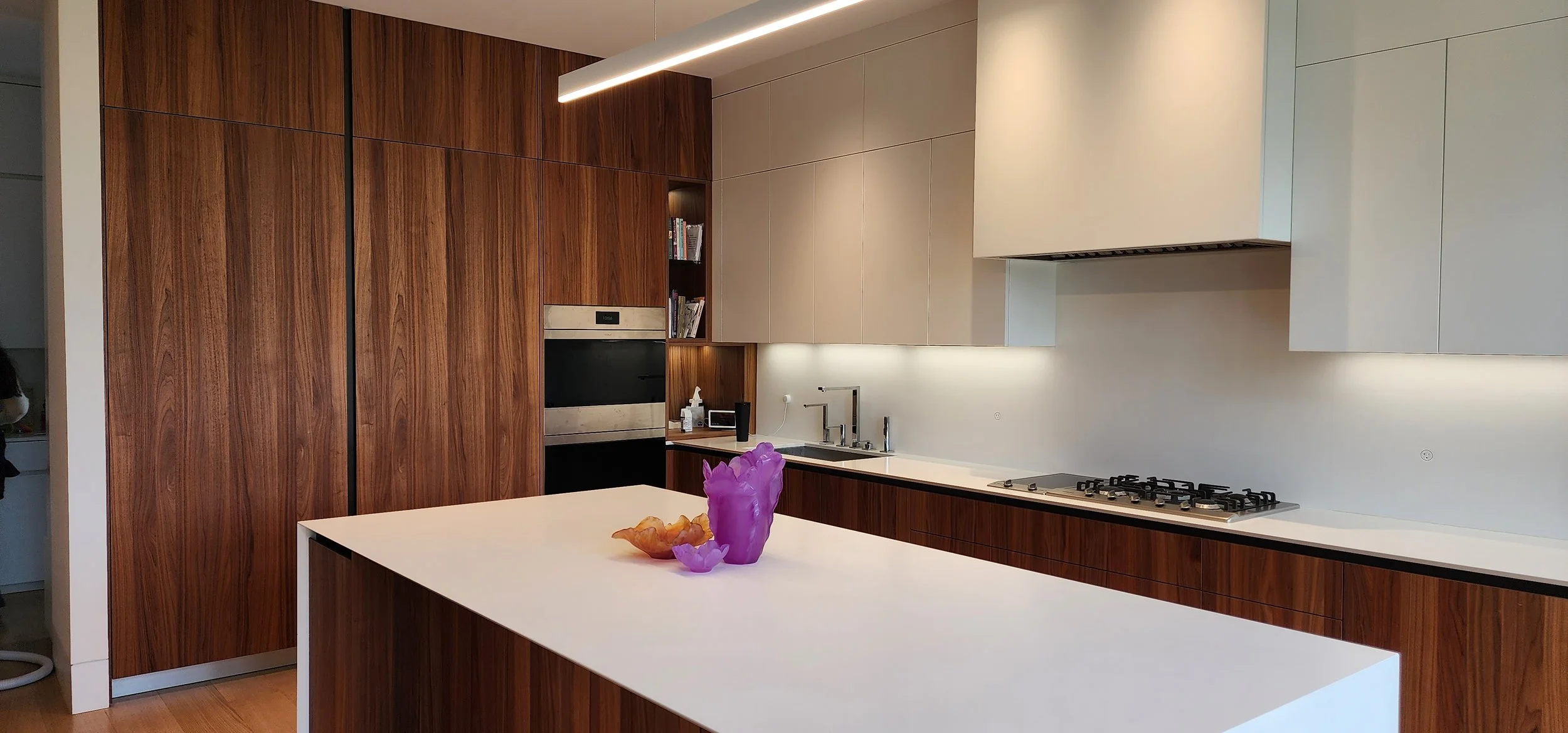
Modern Kitchen Design - Italian Cabinetry
Kitchen Function and Renovation Potential
With the location confirmed, buyers usually examine the interior in greater detail. The kitchen often becomes the main focus during this stage. Families gather there to cook, talk, and share meals. For this reason, buyers inspect counter space, cabinet quality, and appliance placement. Many also consider remodeling their kitchen in the future. A flexible layout allows easy upgrades and design changes. Remember, a practical kitchen improves both daily comfort and resale value.
Alt: modern kitchen featuring white cabinetry, a stainless steel stove, and large windows with wooden blinds allowing natural light.
Caption: A well-designed kitchen supports daily living, family connection, and long-term home value.
Bathrooms
Buyers always check if there is an adequate number of bathrooms for family and guests. Older homes didn’t always have a bathroom or powder rom on the first floor. Look at the possibility of adding a bathroom if need be. Private ensuite bathrooms have become a popular feature for at least the master bedroom.
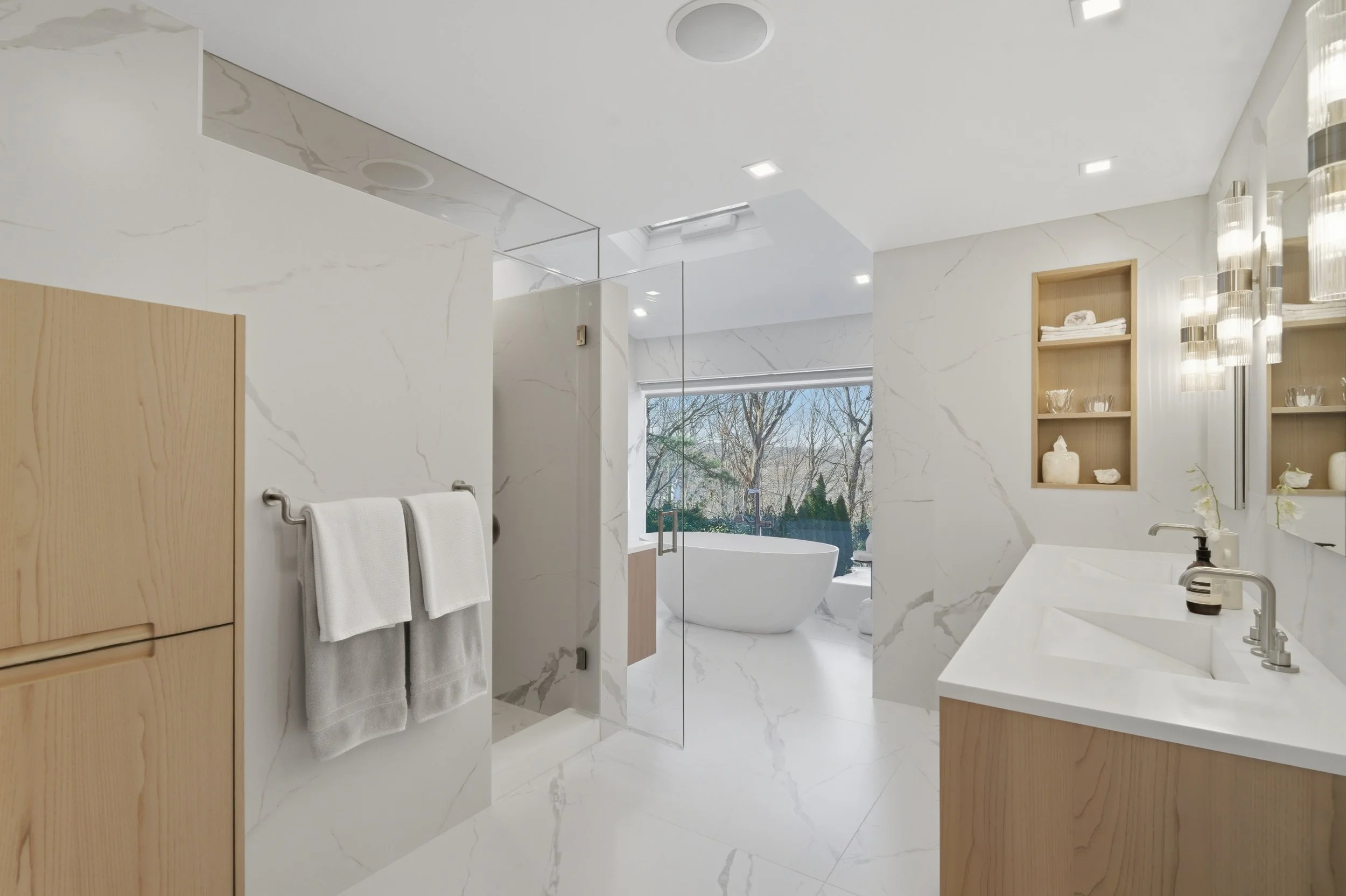
Modern Bathroom Design & Remodel - Manhasset, NY
Bedroom Space and Personal Privacy
After reviewing common areas, attention shifts to private spaces. Bedrooms play a key role in rest and emotional balance. Buyers check room size, window placement, and storage options. A quiet environment supports better sleep quality. Parents often look for separate rooms for children. Guests also appreciate privacy during visits. In this way, comfortable bedrooms promote long-term happiness.
Maintenance and Future Upgrades
Beyond appearance, buyers must consider long-term upkeep. A home requires regular care to stay safe and functional. Buyers review roof age, plumbing systems, and electrical wiring. They also follow home improvement trends to understand future value. Updated insulation lowers energy bills and improves comfort. New windows reduce noise and heat loss. Therefore, preventive maintenance protects both comfort and investment.
Outdoor Space and Environmental Comfort
Once indoor features meet expectations, outdoor areas gain importance. Gardens provide space for hobbies and relaxation. Decks and balconies offer private spots for reading and quiet breaks. Families value safe yards for children and pets. In addition, shade and drainage improve usability in different seasons. Green spaces support mental well-being. As a result, attractive outdoor settings strengthen emotional connection to the home.
Long-Term Value and Market Stability
While comfort matters, many buyers think about the future as well. They study property history and neighborhood growth patterns. Resale potential often influences final decisions. In this process, understanding what people look for in a new home helps predict future demand. Stable areas protect investments during economic changes. Local development plans also affect prices, so strong market positioning ensures financial security.
Transportation and Accessibility
Along with safety, transportation strongly shapes daily convenience because it affects how people move throughout the day. Easy travel improves both work schedules and social routines by reducing delays and frustration. Buyers carefully consider road conditions and public transit routes before making a decision. In addition, bike lanes promote healthy commuting options and encourage active lifestyles. Parking availability further affects both residents and visitors, especially in busy areas. Because of these factors, good transport links save time, reduce stress, and improve overall quality of life. An important observation would be the traffic flow. Is it too busy? Is it quiet?
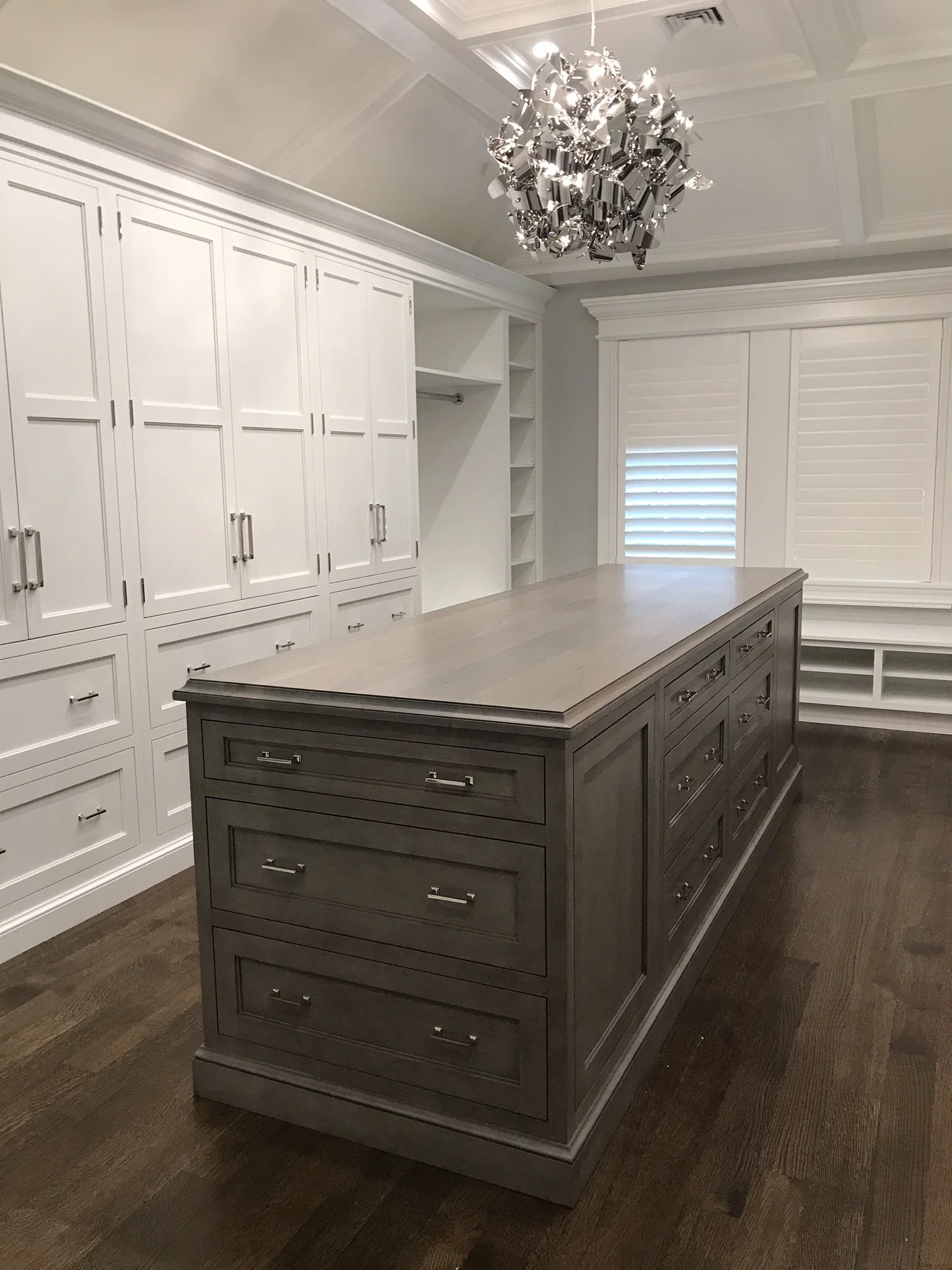
Custom Built Walk-In Closet designed with Rutt Cabinetry. Garden City, NY
Storage and Organization Solutions
As buyers imagine daily life, storage becomes more important. Clutter reduces comfort and productivity. Buyers inspect closets, basements, and attic spaces. Built-in shelves support better organization, and garages provide room for tools and vehicles. Proper storage simplifies the cleaning routine, and you will have an organized home that feels larger and calmer.
Alt: organized white closet featuring a hanging rod with five garments, including black, striped, and blue clothing
Caption: What people look for in a new home often includes smart storage solutions that reduce clutter and create organized, calm living spaces.
Community Atmosphere and Social Life
Beyond physical features, social surroundings strongly influence satisfaction because people interact with their community every day. Neighborhood culture shapes daily experiences by setting shared values and expectations. When neighbors are friendly, they naturally encourage mutual support and cooperation. Schools and libraries further strengthen family life by offering learning and social spaces. Cultural events also add excitement to routine days and bring people together. Shared spaces promote trust, belonging, and long-term comfort.
Energy Efficiency and Sustainability
In recent years, environmental awareness has grown steadily, which has changed how people view housing choices. As a result, modern buyers care more about energy use and long-term costs. They often look for energy-efficient systems because these lower utility bills over time. Solar panels also attract eco-conscious families who want to reduce their environmental impact. At the same time, proper insulation helps control indoor temperatures and improves comfort. That is why sustainable homes support responsible lifestyles and long-term savings.
Making a Confident Home Choice
Once you make a choice, the most important next step is getting a home inspection by a licensed home inspection engineer. Selecting a home requires patience, research, and self-awareness. Buyers must balance emotional reactions with practical analysis. Each factor, from design to safety, shapes daily experiences. Clear priorities reduce confusion during negotiations. By understanding what people look for in a new home, buyers make informed and confident decisions. Thoughtful choices protect financial and personal well-being. In the end, a well-chosen home becomes a foundation for growth and stability.